
Northern Tamil Nadu
Viluppuram
Headquarters: Viluppuram
Overview
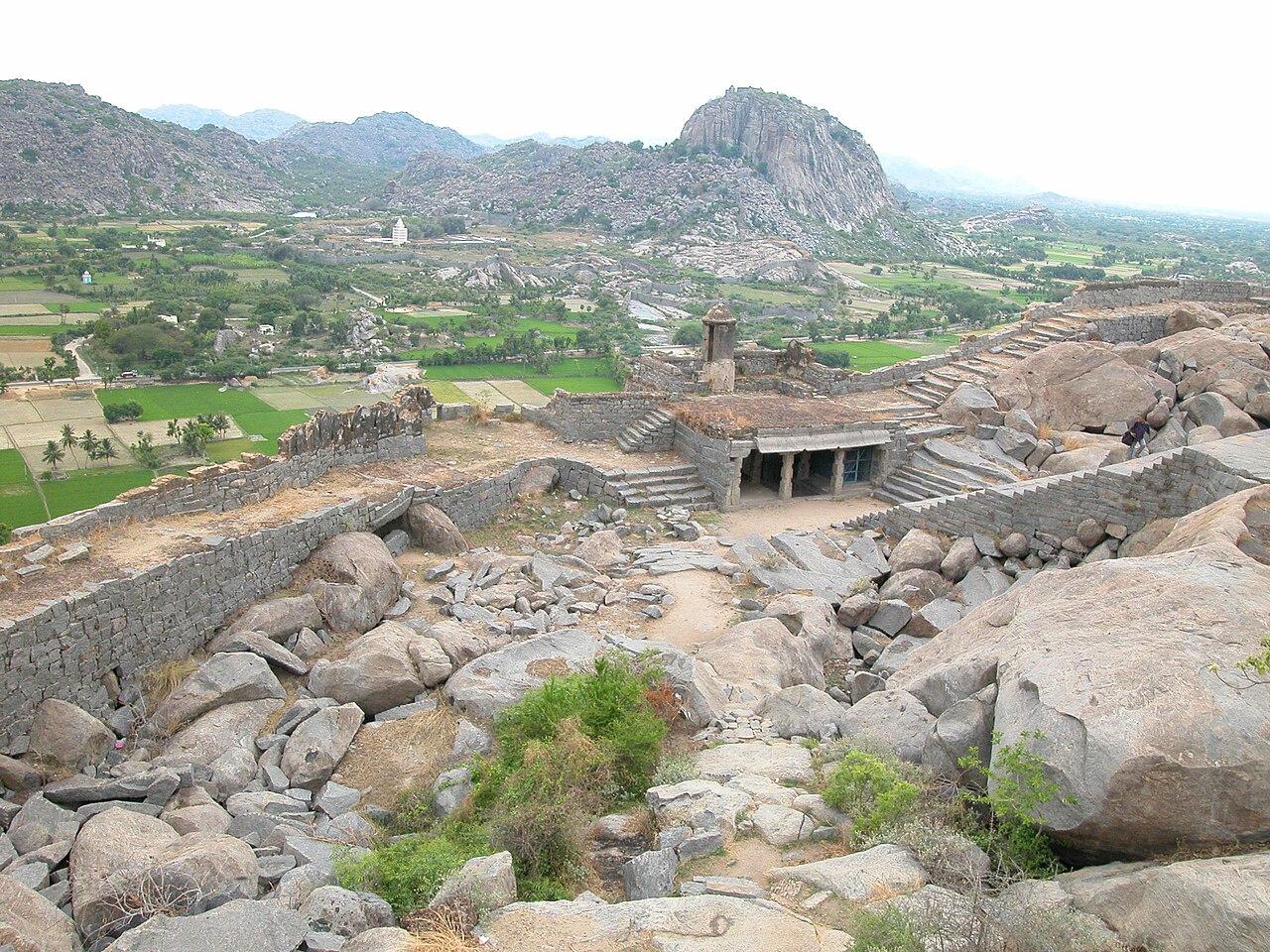
Viluppuram is a large district in the northern part of Tamil Nadu, formed on 30 September 1993 from the erstwhile South Arcot district. In Census 2011 the undivided district had a population of about 3.46 million; in 2019 the new Kallakurichi district was carved out of it, leaving a present-day district of around 2.09 million people. Predominantly agrarian, it is one of the state's leading sugarcane belts and is home to the historic Gingee (Senji) Fort. Viluppuram town is an important road and railway junction on the Chennai–Tiruchirappalli corridor.
Economy
Agriculture is the backbone of Viluppuram's economy, with paddy, sugarcane, groundnut, pulses, cashew and cotton as the principal crops. Sugarcane is the dominant commercial crop — the district's cane feeds seven sugar mills within its boundaries and supplies several more in neighbouring districts, earning it the tag 'sugar bowl of Tamil Nadu'. Cashew processing, granite quarrying and mineral resources add to the rural economy, though the district remains industrially less developed and was earlier covered under the Centre's Backward Regions Grant Fund programme.
Tourism
The star attraction is Gingee Fort, a sprawling hilltop citadel spread across three hills — Rajagiri, Krishnagiri and Chandrayandurg — which the British called the 'Troy of the East' for its impregnability and which is now protected by the Archaeological Survey of India. The district also draws pilgrims to the Melmalayanur Angala Parameswari temple and the hilltop rock-cut Ranganatha shrine at Singavaram near Gingee.
Temples & heritage
The Angala Parameswari temple at Melmalayanur, famous for its Mayana Kollai festival held on the night of Maha Shivaratri, attracts huge crowds from across the region. At Singavaram near Gingee, a rock-cut cave shrine houses a 24-foot reclining image of Lord Ranganatha carved from a single rock. The Murugan temple at Mailam is another important pilgrimage centre in the district.
Infrastructure
Viluppuram is a major transport hub: the town lies at the meeting point of national highways linking Chennai, Tiruchirappalli and Puducherry, and Villupuram Junction is one of the busiest railway junctions in southern Tamil Nadu. Public facilities include the Villupuram Government Medical College and Hospital serving the district and its neighbours.
Education & healthcare
As a largely rural district, Viluppuram's education is served mainly by government and aided arts and science colleges, polytechnics and the Villupuram Government Medical College. Having earlier been classified among the state's educationally disadvantaged districts, it has focused on expanding school and higher-education access in recent years.
Gallery


Videos
History of Senji Fort (Gingee Fort), Tamil Nadu
Sources & references
- 🏛️ Viluppuram District Administration (Govt of Tamil Nadu)
- 🏛️ Viluppuram District — Places of Interest (official)
- 📖 Viluppuram district — Wikipedia
- 📖 Gingee Fort — Wikipedia
- 📊 Viluppuram district — Census of India 2011
Source: Census of India 2011 (via census2011.co.in); Data note